Mistfall Hunter PvPvE Combat Guide
Updated July 2026 · Combat principles verified against genre mechanics; monster names and specific encounter data will be filled in from the live build.
Here's the opinion this whole guide is built on: in PvPvE, the best players almost never fight unless forced. Fighting is what you do when positioning failed. But when it's unavoidable — and in Mistfall Hunter it eventually is — you want the fight to be unfair in your favor. This guide covers the decision (fight or run), the dirty tricks (feeding rivals to monsters), and the discipline (looting without dying).
- Audio wins fights in PvPvE: a good headset means hearing the flank before it hits.
- Links below are Amazon Associates (we may earn a small commission at no extra cost to you).
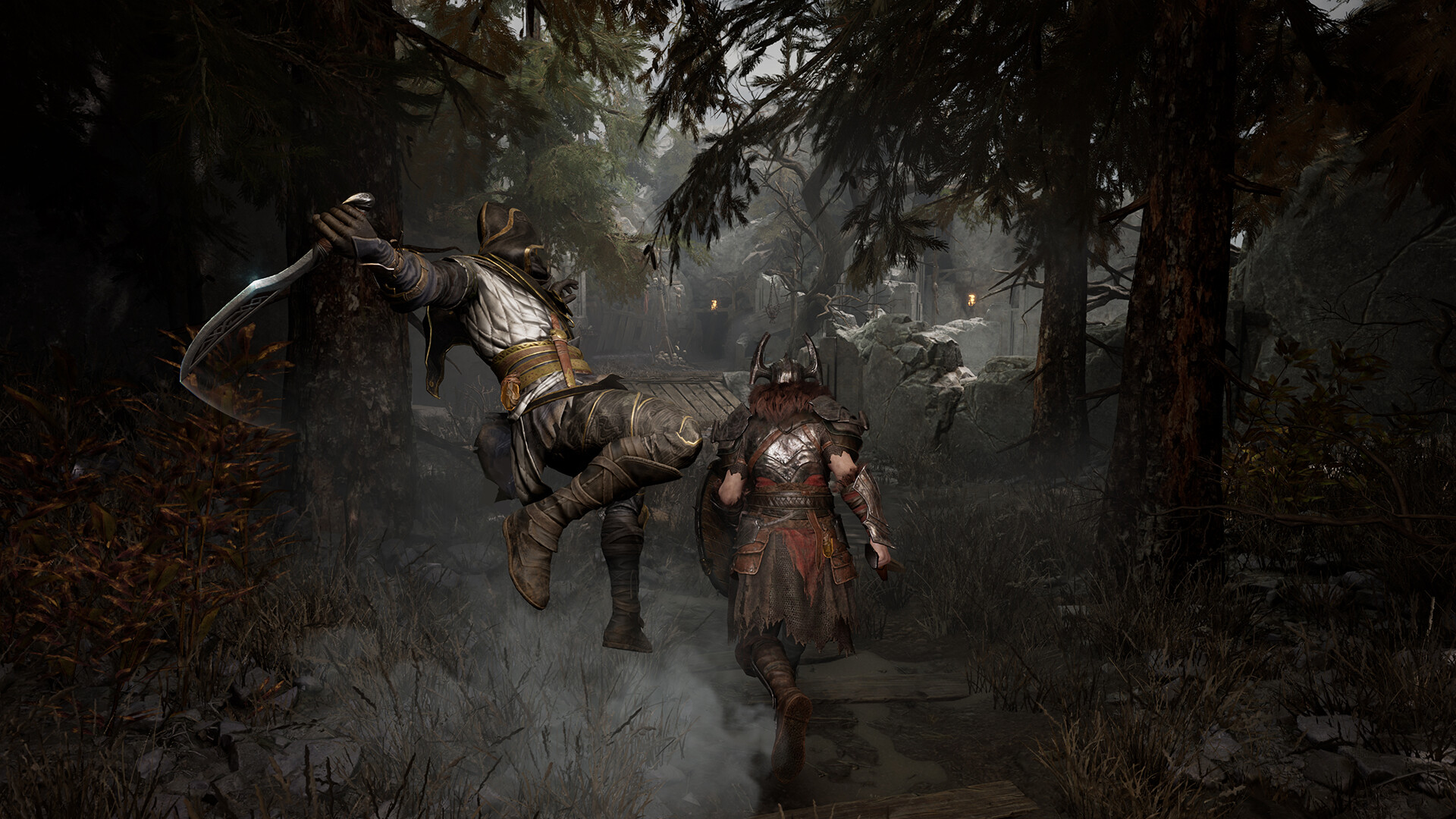 In PvPvE, aggression only beats positioning when positioning is already won. This guide is about winning positioning first.
The Fight-or-Run Decision, In Order
When you detect another squad, run this checklist top to bottom. The first line that applies is your answer:
- Do they know I'm here? No → you have the only thing that matters: the option to leave. Take it 9 times out of 10. The 10th time is an ambush you fully control.
- Is my bag worth more than this fight? Fat bag → disengage. You're not fighting for loot, you're risking loot you already own. This inverts late raid: near-empty bag, decent kit? You can afford aggression.
- Numbers and health? Never take an even-numbers fight at a health disadvantage. "We can take them" with 40% HP is how squads donate three kits at once.
- Where are the monsters? If the answer is "between us and them" — that's not a fight, that's an opportunity (see below).
- Where's the third party? Any fight longer than 30 seconds is an invitation. If you can't win fast, don't start.
Sound is your radar — in both directions
Footsteps, weapon swings, chest openings, doors — everything broadcasts. Two consequences: loot with your ears (stop moving every 20–30 seconds and just listen; it feels slow and it's saved more bags than any armor), and manage your own noise (walking through hot zones, sprinting only in cleared ones). Bonus tell: an area that should have monsters and doesn't means someone cleared it recently. They may still be close.
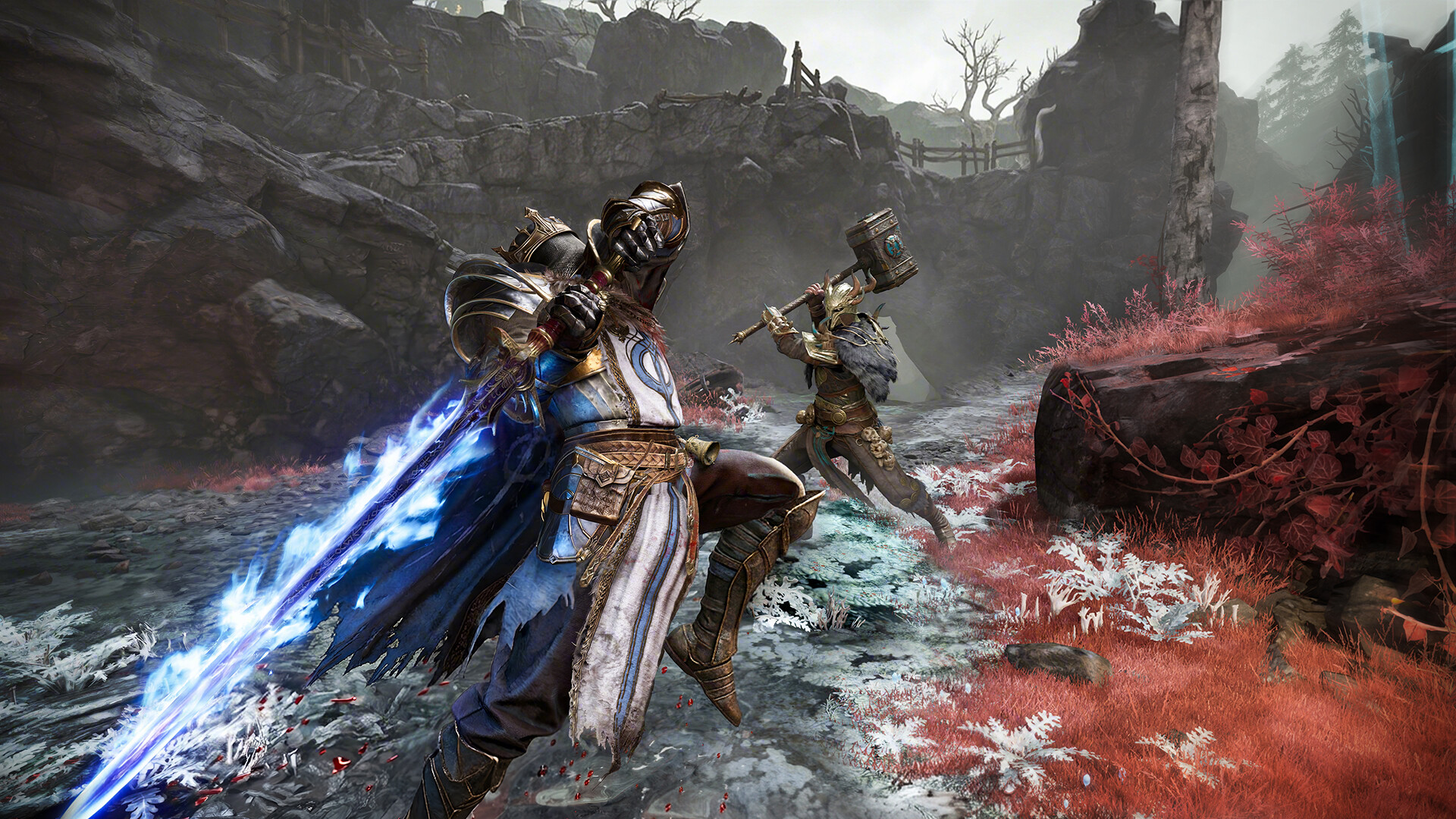 Open-field PvP duels — stamina and terrain decide the winner more than gear score.
Using Monsters as a Weapon
The E in PvPvE is a tool. AI aggro generally locks onto whoever is closest or loudest — which is a system you can aim at people.
Technique 1: The pull-through
Being chased? Route your escape through monster-dense areas, close enough to wake everything, and break line of sight immediately after. The AI's target selection transfers to your pursuers — they're closer and louder now. You've converted a losing PvP into their PvE problem. This is the single most valuable solo-survival trick in the genre.
Technique 2: The doorbell
A squad is looting a room with unaggroed monsters nearby. Wake the monsters (a ranged poke, a thrown object — whatever the live build allows) and steer them toward the doorway. Best case, the squad burns health and consumables while you shop elsewhere. Better case, you collect whatever's left after an ugly two-front fight. You don't need kills — you need them spending.
Technique 3: Fight next to danger, not in the open
When you choose to take a fight, choose ground adjacent to a monster spawn. Open-field duels are coin flips decided by gear; fights next to hazards are decided by who understands the hazard. You do — you picked the spot. Force opponents to split attention between you and the thing snarling behind them.
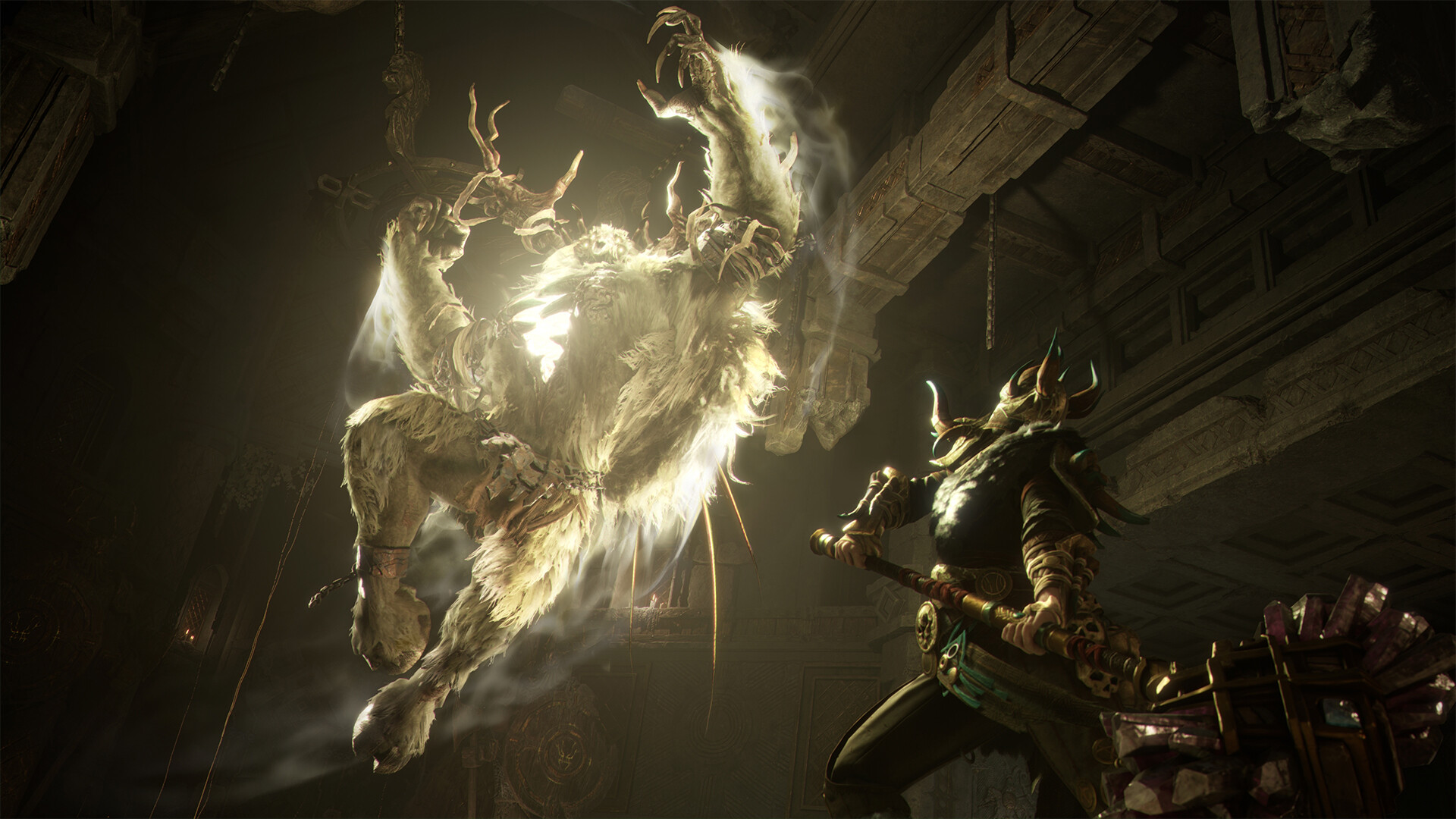 Boss aggro is the cleanest PvE weapon in the genre — pull the boss toward pursuers and let them solve it for you.
Technique 4: Loot in passes, heal behind walls
Post-fight discipline kills more third parties than aim does. The sequence: relocate → listen → short loot pass (highest-value slots only) → relocate again. Never heal standing over the body — that's the exact pixel every third party is rushing. If the fight was long or loud, take the best two items and walk away from the rest. Half a dead man's kit in your stash beats all of it on your corpse.
Affiliate link — supports the site at no extra cost to you.
Solo vs Squad Realities
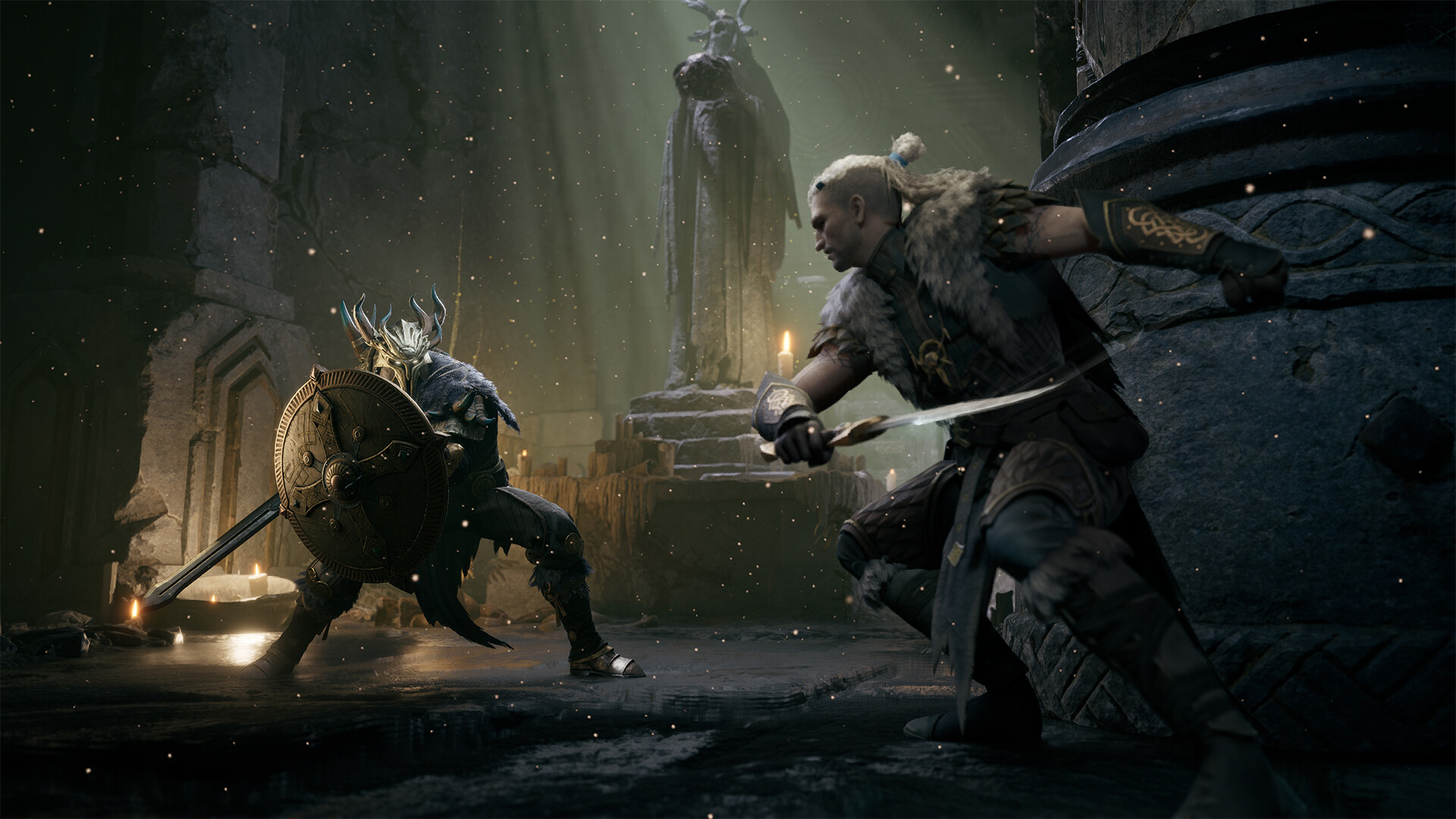 Cathedral PvP duels favor the prepared — chokepoint control and verticality decide who controls the room.
- Solo vs solo: the real fight. Stamina management wins — bait swings, punish overcommits. Whoever panics first loses.
- Solo vs squad: disengage through monsters (Technique 1). If cornered, terrain-isolate one member, burst them, leave before rotation. You're not trying to wipe them; you're raising the price of chasing you.
- Squad vs squad: focus fire and sustain decide it. A squad that calls one target beats a squad of three duelists. This is where a support archetype pays for itself — see the squad composition guide.
- Everyone vs the exit camper: covered in the extraction guide — watch first, channel never with an exposed back, keep a second exit in your pocket.